Off the Record: The Debates, Doubts, and Discoveries Curators Have About Art's Greatest Works
Photo: National Museum of the U.S. Navy, Public domain, via Wikimedia Commons
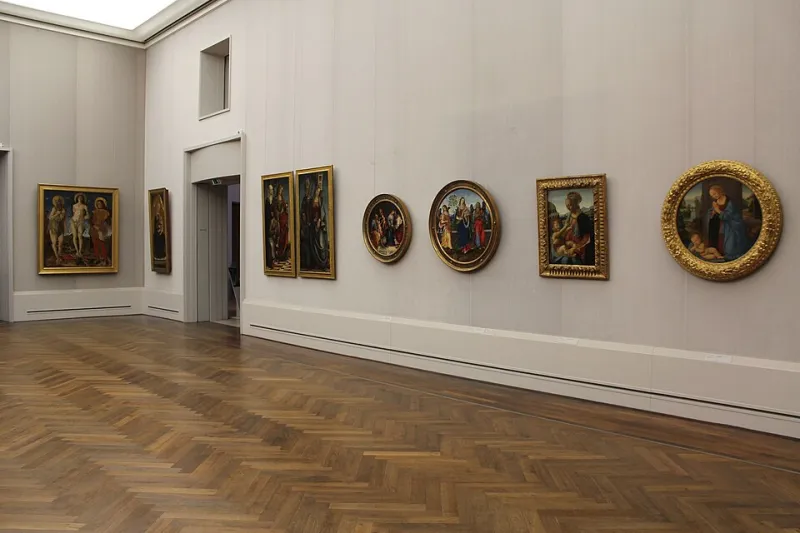
Walk through any major American museum—the Metropolitan, the Art Institute of Chicago, the Getty—and the wall labels beside each artwork project an air of settled authority. Dates are stated. Attributions are confirmed. Meanings are summarized in three economical paragraphs. What those labels almost never convey is what happened in the conference room before the ink dried: the raised voices, the reluctant concessions, the moments when a curator quietly admitted, I'm not entirely sure.
Ask A Curator reached out to museum professionals at institutions across the country and invited them to speak with unusual candor about the internal life of curatorial scholarship. What follows is not a takedown of the museum establishment. It is, rather, an honest portrait of a discipline that is far more dynamic, argumentative, and intellectually alive than its public-facing materials typically suggest.
The Attribution Question Nobody Wants to Answer Publicly
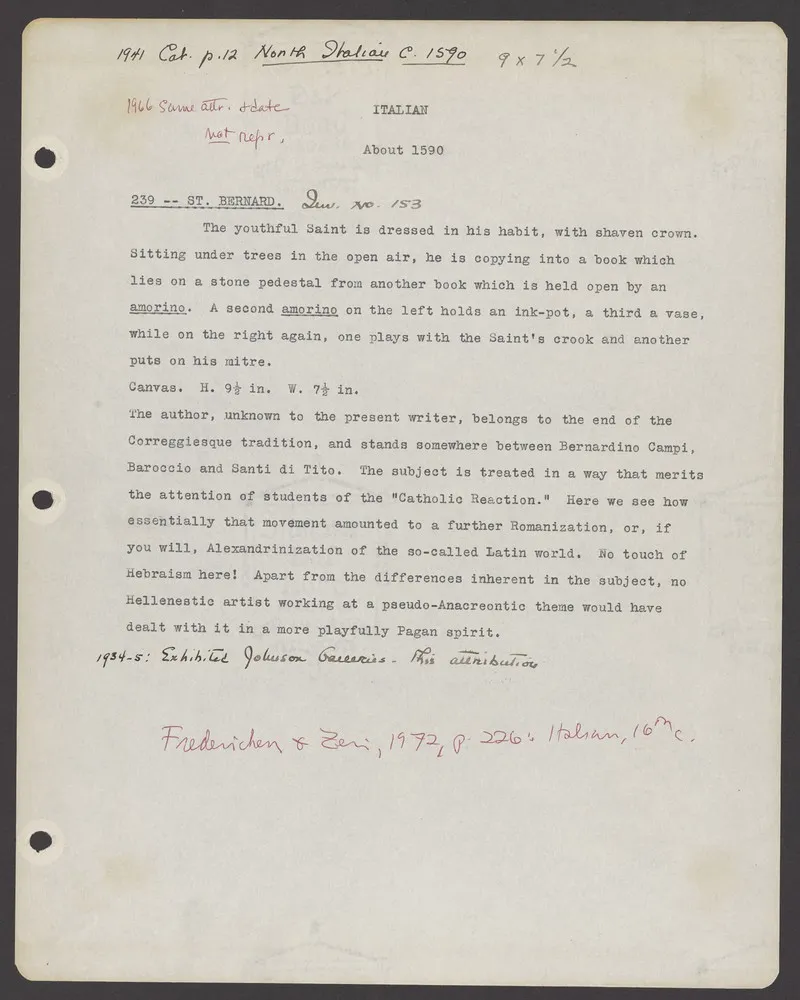
Few topics generate more friction in curatorial circles than attribution—the question of who actually made a given work. The problem is not confined to Old Masters, though that field has historically been the most contentious. Contemporary art poses its own challenges, particularly when studio practices involve multiple hands.
"There are works in our collection that carry confident attributions in the catalog, and I can tell you that at least three of us on staff have private reservations," one curator at a major Northeastern museum told us, speaking on condition of anonymity. "The attribution was established decades ago by someone with enormous prestige in the field. Challenging it means challenging an entire lineage of scholarship. That's not a conversation anyone rushes into."
This dynamic—where institutional momentum and scholarly reputation intersect with genuine evidentiary ambiguity—is more common than the public realizes. Technical analysis tools have grown increasingly sophisticated, and they occasionally produce results that complicate rather than confirm long-held assumptions. "Sometimes the science gives you an answer that nobody in the room actually wanted," the curator added.
When Experts Disagree in the Same Building
Curatorial departments are not monoliths. A single institution may employ specialists whose interpretive frameworks diverge sharply, and those divergences sometimes play out in surprisingly direct exchanges.
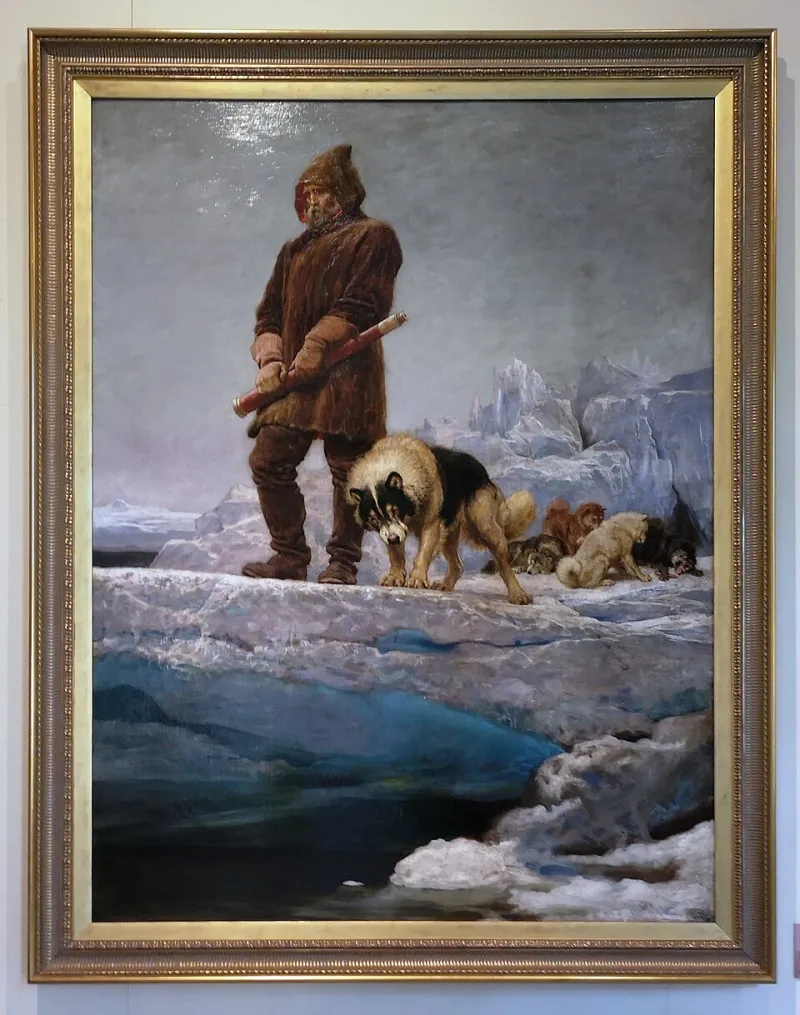
A curator of European paintings at a West Coast institution described a months-long internal debate over how to contextualize a seventeenth-century Dutch genre scene. One colleague read the work through a strictly formalist lens, emphasizing compositional mastery. Another insisted that ignoring the painting's relationship to colonial trade networks would constitute a deliberate omission. "We went back and forth for what felt like an entire season," she recalled. "The final label was a negotiated document. Every sentence had a history."
These negotiations, she emphasized, are not failures of the curatorial process. They are the process. "The version of scholarship that reaches the public has been argued over, revised, and sometimes compromised. That's not a dirty secret—it's how knowledge actually gets made."
The 'Aha Moment' That Doesn't Make It Into the Catalog
Beyond disputes, curators also described experiences of sudden interpretive clarity that reshaped their understanding of a work—insights that arrived too late for publication or proved too speculative for formal scholarship.
One curator specializing in American modernism recounted spending years with a painting she had cataloged early in her career. "I had written the standard entry. Movement, period, influences. Then one afternoon I was reinstalling it after conservation work, and I saw something in the brushwork I had never registered before—a deliberate roughness in one corner that I now believe was intentional disruption, not unfinished technique." She paused. "I have never published that observation. I'm not sure I can prove it. But it changed how I look at the whole body of work."
These private recalibrations accumulate over a career. They inform how curators arrange galleries, select works for loan, and write grant applications—even when they never surface in official scholarship.
Shifting Canons and Uncomfortable Reassessments
Perhaps the most consequential behind-the-scenes conversations concern the canon itself: which artists belong in it, which were excluded by bias rather than merit, and what obligations institutions have to correct historical imbalances.
"There are artists in our permanent collection who were acquired because they were fashionable in a particular decade, and there are artists not in our collection who should be," said a curator of modern and contemporary art at a Midwestern institution. "We know this. We talk about it. The harder question is what we do about it given finite acquisition budgets and the market values that have accrued around certain names."
These discussions, she noted, are not abstract. They involve real decisions about which works get conserved, which get loaned to traveling exhibitions, and which receive scholarly attention that might eventually shift their market value and cultural standing.
Why the Messy Version Matters
The curators we spoke with were not, on the whole, calling for museums to air their disagreements on gallery walls. The interpretive authority that institutions project serves a genuine public function—it provides orientation, context, and a starting point for engagement. But several expressed a belief that the field has been slow to communicate the provisional, contested nature of art historical knowledge to general audiences.
"People think that because something is in a museum, it's been definitively solved," observed one curator. "The reality is that we're constantly revising. That's not a weakness. That's what makes this work interesting."
For visitors willing to look past the confident prose of exhibition labels, that messiness is an invitation. The debates happening behind closed doors are, in many ways, the most honest expression of what art history actually is: a living conversation, still very much in progress.
Have a question for a museum curator? Submit it through our Ask A Curator portal—your inquiry may be featured in an upcoming column.